
Septics weren’t built for this.
Neither were wells.

Stop your microplastic problems at the source. CLEANR can help protect you and your family from contaminated well water and prevent costly septic repairs by filtering out over 90% of microplastics from the clothes in your laundry.

environmental impact close to home

Microplastics in your septic tank and well water.

“It’s alarming…What we’re finding is fibers. And plastic pipes don’t shed fibers, they shed pieces of plastic, but not fibers. Fibers are coming from clothes.” – Nick Roster, Northwestern Michigan College Biology Professor

Clothes Shed in the Laundry

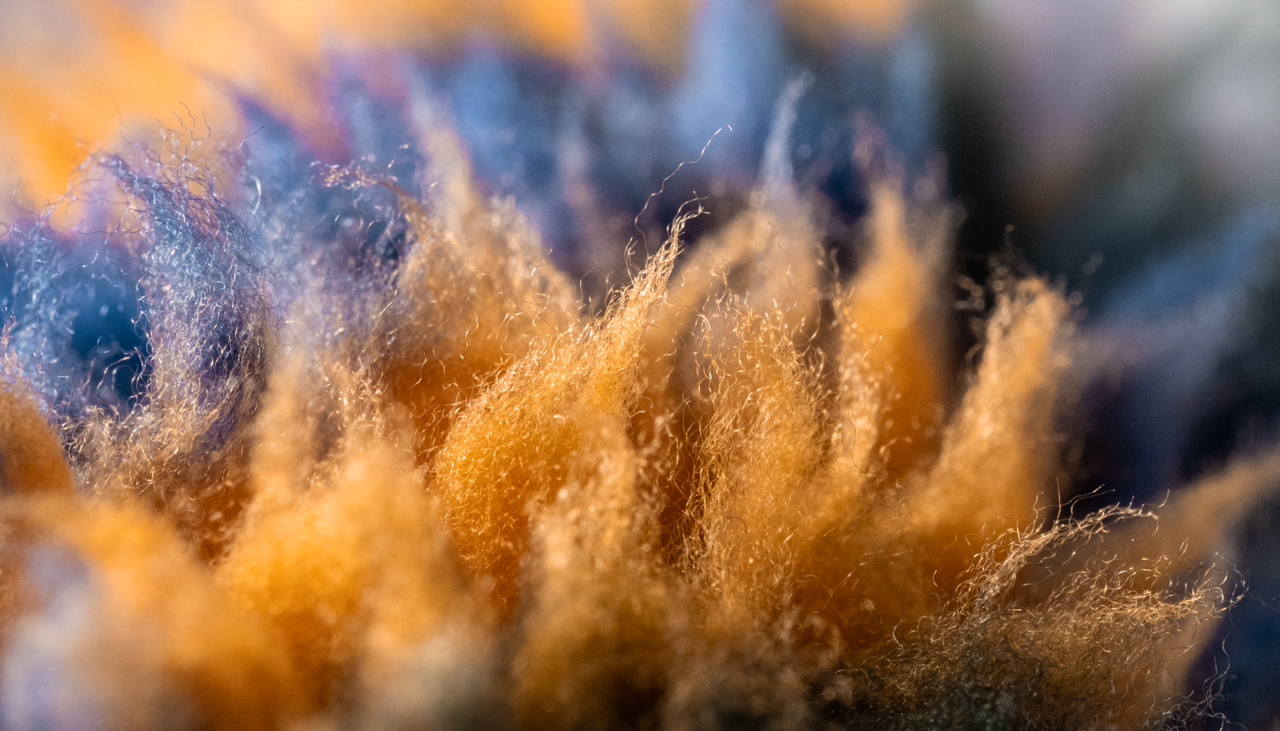
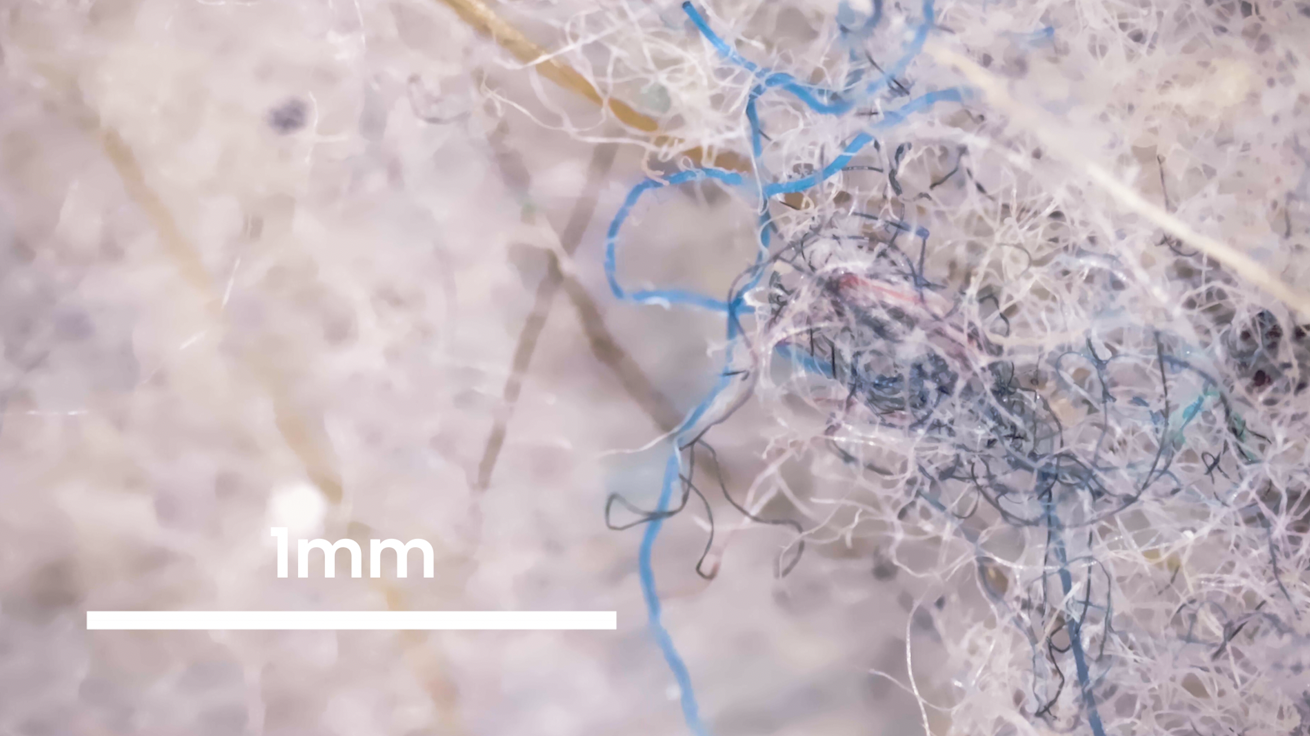
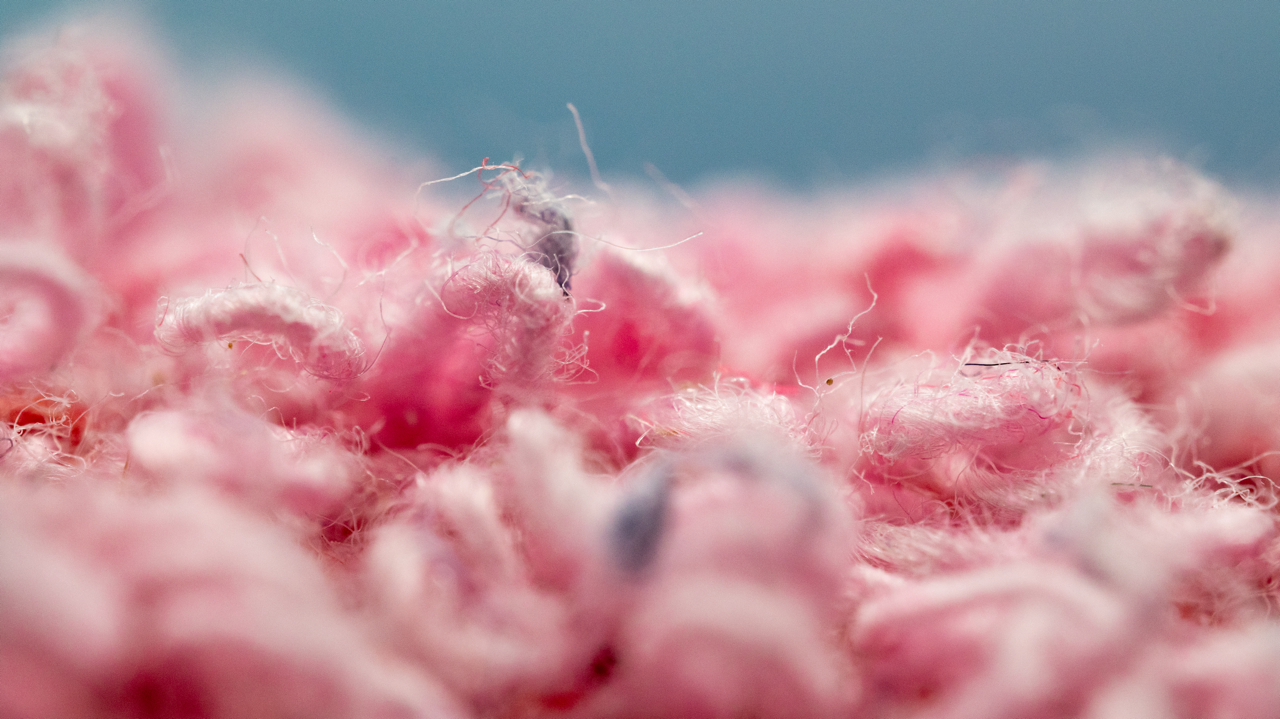
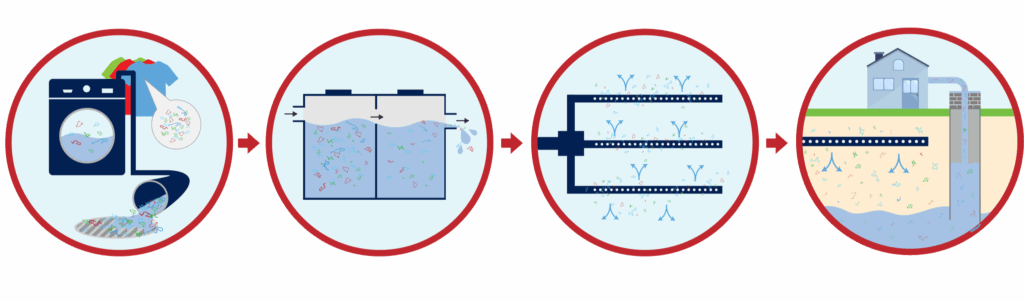
Just like lint made of clothing fibers is produced in the dryer, clothes in the washing machine cycle face a similar shed of lint (clumps of clothing fibers) and microplastics (tiny plastic fibers) from our clothes.

Clogging + Sewage Backups

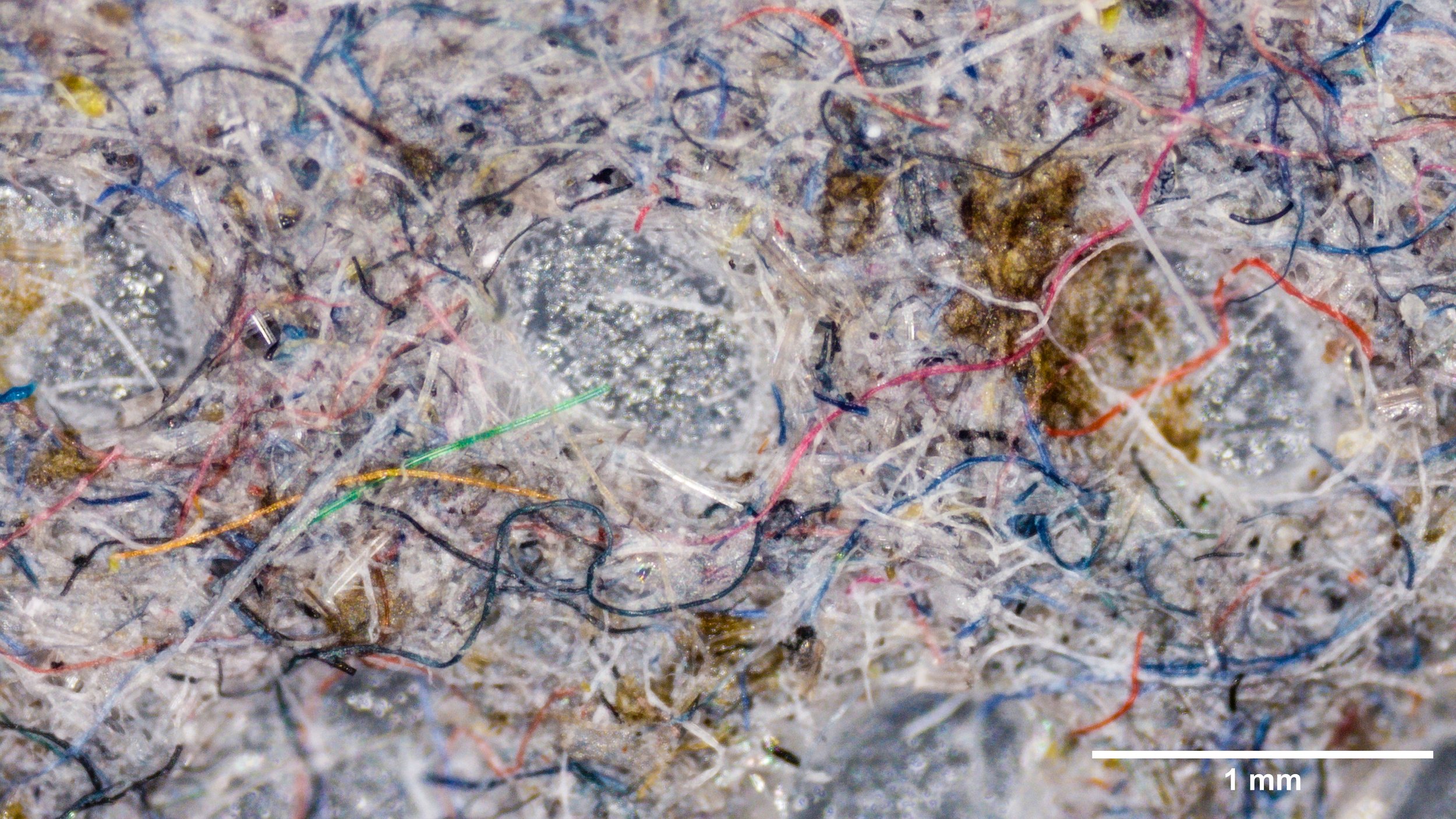
Without a filter to catch the particles leaving the washing machine, lint, microplastics, hair, and other particulate flow straight into the septic tank with wastewater. With reduced capacity for wastewater to flow into soil, clogs can cause sewage to back up into your home or flood your yard.

Expensive Drain Field Damage

Microplastics and lint clumps enter the drain field with wastewater and can clog soil pores. Microplastics leach into the soil through the pores. When lint and other particles clog your drain field pores, the only real fix is a costly full replacement of the drain field (the most expensive part of the septic system).

Contaminated Well Water

Researchers have proven that as microplastics descend through the soil, they can break down into smaller and smaller pieces, which can be uncatchable by home water filters. Once they reach your well water, they affect water quality and can pose health risks..

“Peer reviewed research shows that septic tanks are full of microplastics, especially in the sludge that settles at the bottom.” – Microplastics Are Clogging Septic Systems

How microplastics harm your health: