

A big problem. Microplastics affect us all.
Clothing that sheds in our laundry is the #1 source of microplastic pollution worldwide. Every time our clothing is washed, up to 1.7 million tiny fibers break off, head down the drain and bypass treatment plants – heading straight into our oceans, our food chain (and ultimately, our bodies).
Microplastics have reached every corner of our planet.
In All of Our Oceans
Microplastics were found in every sample taken during the Ocean Race.
In the Ocean’s Deepest Point
Microplastics have been found at the bottom of the Mariana Trench.
On the Earth’s Highest Point
Microplastics have been found at the top of Mount Everest.
In Rainfall
“Microplastics from roads, clothing, and oceans get swept into the atmosphere and fall with the rain… It’s much worse than the acid rain problem.”
In Agricultural Soils
“All the common polymer types — PE, polypropylene, polystyrene, and PVC — have been found in agricultural soils.”
In Seafood
“Peer-reviewed study detected microplastics in 180 of 182 samples comprising five types of fish and pink shrimp.”
In Marine Life
“A new investigation examined the stomach and intestines of five Indus River dolphins and found plastic in every single one.”
In the Air
“Microplastics in the air may be leading to lung and colon cancers.”
In Plants
“Microplastics are messing with photosynthesis in plants”.
the problem isn't just synthetic
Even natural fibers shed.
Plastic Dyes
Many “natural” garments use synthetic dyes and require chemicals to do so; those plastic colorants and auxiliaries hitch a ride on shed fibers.
Toxic Additives
Finishes like wrinkle-free, stain-repellent, and water-resistant coatings often contain plastic and toxic chemicals that prolong fiber persistence in the environment.
Heavier Shedding
~30% of global fiber production is natural. These fabrics can shed even more than synthetics when washed and are not as harmless as they seem.
Microplastics are everywhere
Microplastics are in our bodies.
In Our Bodies
Microplastics have been found in the human blood, brain, placenta, breast milk, and more.
More Than a Spoonful
The average human brain may contain a plastic spoon’s worth of microplastics.
Health Risks
Microplastics have been linked to cancer, heart attacks, neurological disorders, inflammation, and more.
Resilient Microfibers
Microplastics can pass the blood-brain barrier and carry toxic additives into your body.
No one wants to eat microplastics.
“Microplastics are present within the entire human food system. All 16 protein products included in our study were found to be contaminated with microplastics.” Environmental Pollution, 2024
Explore more microplastics news.
Even Glass Bottles Aren’t Safe: Study Finds Microplastics in Your Favorite Summer Drinks
Microplastics are Carriers of Toxic Additives
Microplastics in Meat: A Hidden Ingredient in Your Dinner?
Microplastics and Reproductive Health: A Growing Concern
Microplastics in the Brain: How They’re Infiltrating Our Bodies
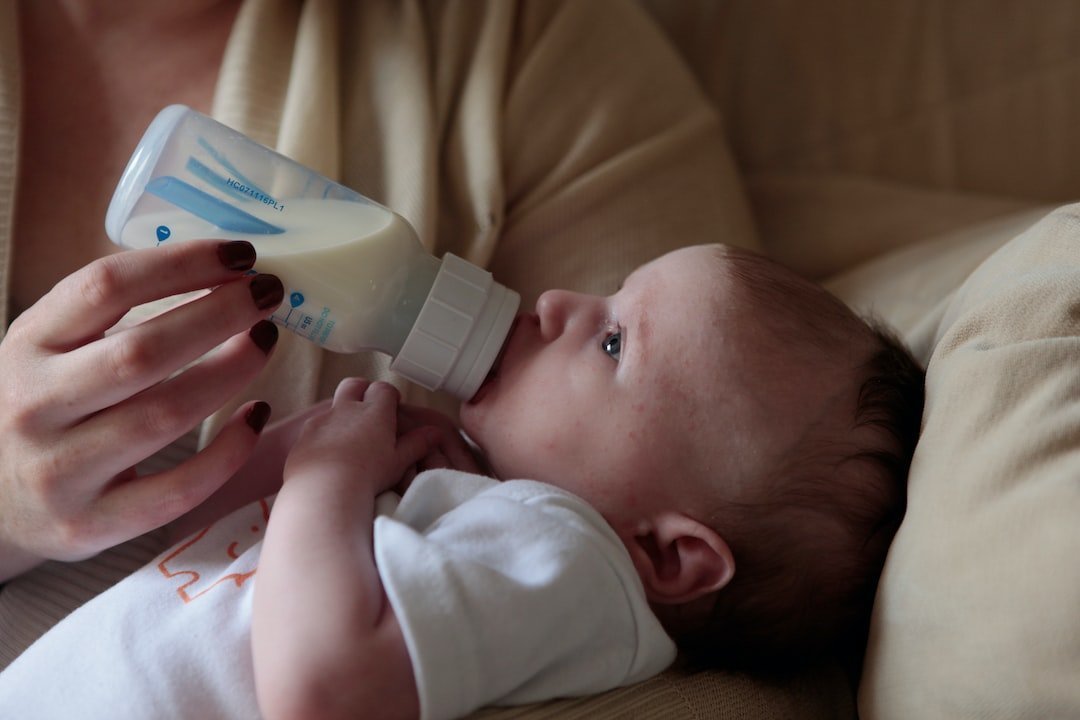
Microplastics Found in Human Breast Milk for the First Time

Microplastics Revealed in the Placentas of Unborn Babies
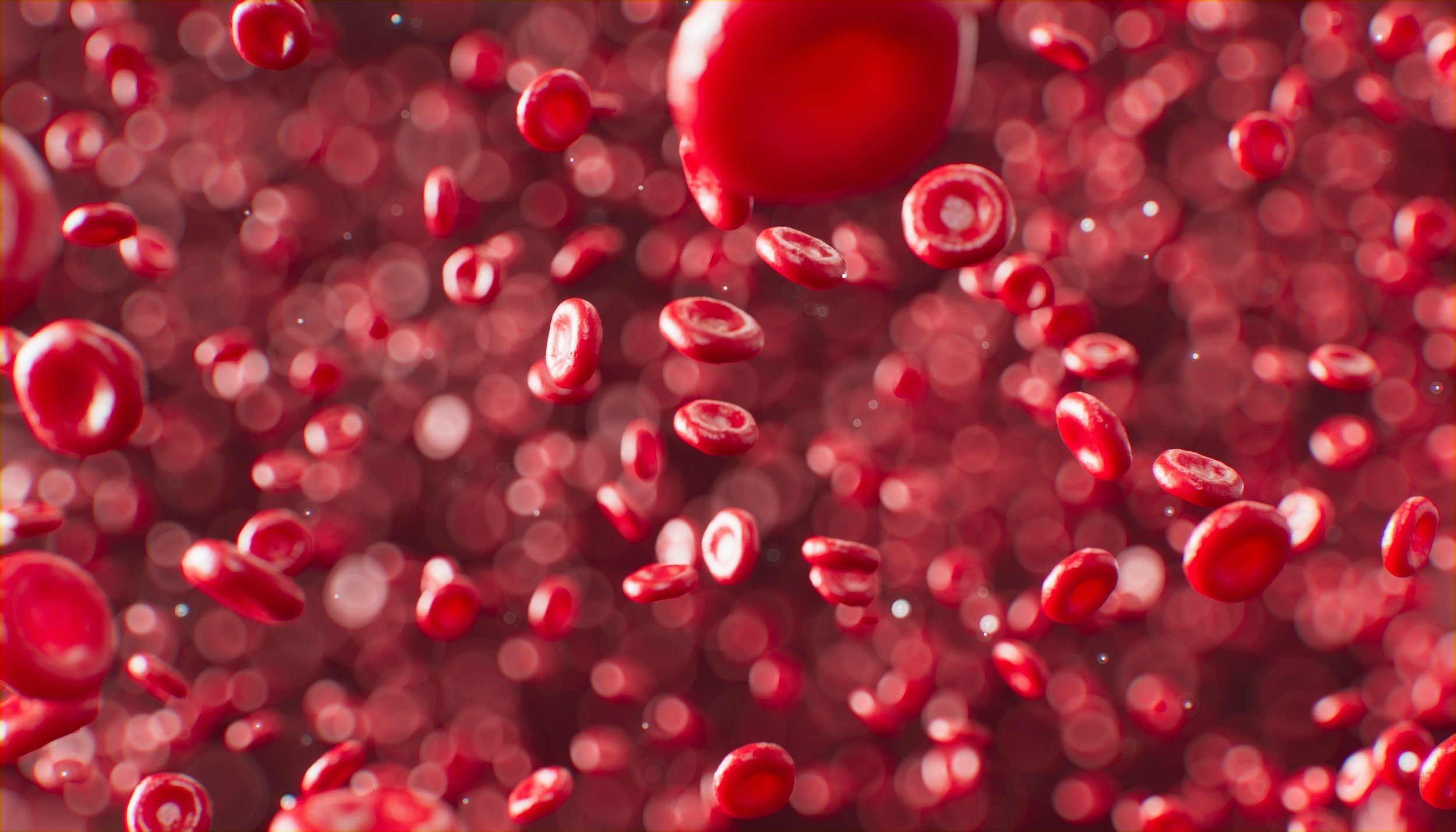
Microplastics Found in Human Blood for the First Time
More Information About natural and Synthetic Fibers
What's on my clothes?
| Fiber Type | Treatment / Finish | Chemical Example | Key Health / Environmental Risks |
|---|---|---|---|
| Natural | Wrinkle-free finish | Formaldehyde resins | Respiratory & skin irritation; classified carcinogen. |
| Natural | Water repellency | Silicones / waxes | Not biodegradable; fibers persist in the environment. |
| Natural | Dyes / colorants | Azo dyes | Potential carcinogen, skin irritation; difficult to filter from wastewater. |
| Synthetic | Water/oil repellency | PFAS (fluoropolymers) | “Forever chemicals”, accumulates in water and spreads; linked to hormone disruption and cancers. |
| Synthetic | Flame retardant | PBDEs / organophosphate FRs | Hormone disruption; developmental & neurotoxicity. |
| Synthetic | Plasticizer / softener | Phthalates (e.g., DEHP) | Endocrine disruption; reproductive risks. |
- https://www.epa.gov/sites/default/files/2016-09/documents/formaldehyde.pdf
- https://www.lifetechnology.com/blogs/life-technology-science-news/toxicity-of-azo-dyes-in-fashion-industry
- https://www.epa.gov/pfas/our-current-understanding-human-health-and-environmental-risks-pfas
- https://www.epa.gov/system/files/documents/2025-06/15.-dehp-.-draft-consumer-and-indoor-exp-tsd.-hero-.-may-2025.pdf
Further Reading...
Unraveling Physical and Chemical Effects of Textile Microfibers
Water (MDPI) 2022
Suggests that the effects of microfibers created from natural polymers are equivalent to, or only slightly reduced compared with, synthetic fibers.
Natural Fibers: A Missing Link to Chemical Pollution Dispersion in Aquatic Environments
Environmental Science & Technology 2015
Both natural and synthetic fibers absorb chemicals, but faster-degrading natural fibers may make chemicals bioavailable sooner to the environment.
Marine Environment Microfiber Contamination: Global Patterns and the Diversity of Microparticle Origins
Environmental Pollution 2018
Characterizes microfibers and microplastics by size, shape, and material, showing that natural fibers also persist in the environment.
Environmental Impact of Textile Materials: Challenges in Fiber–Dye Chemistry and Microbial Biodegradation
Polymers (MDPI) 2025
Reviews dyes released with microfibers during laundering and discusses safer dye alternatives than those commonly used in apparel.
Impact of Dyes and Finishes on Microfibers Released During Laundering of Cotton Knits
Environmental Pollution 2021
Changes to fiber/fabric mechanics from finishing treatments are a major driver of microfiber release.
Functionalized Textile Microplastics: Issues, Strategy, and Legislation for Reduction
Kuwait Journal of Science 2025
Reviews hazardous and toxic substances used across textile production and policy approaches to reduce microplastics.