Enter number of loads per week to see your impact.
In 1 year with CLEANR, you could accomplish...
 —
Loads run
—
Loads run
 —
Microplastics removed
—
Microplastics removed
 —
Gallons of water filtered
—
Gallons of water filtered
 —
Bathtubs of water
—
Bathtubs of water
 —
Water bottles (16.9 oz)
—
Water bottles (16.9 oz)
 —
Grams of plastic
—
Grams of plastic
 —
Credit cards worth
—
Credit cards worth
 —
Plastic spoons
—
Plastic spoons
 —
Plastic straws
—
Plastic straws
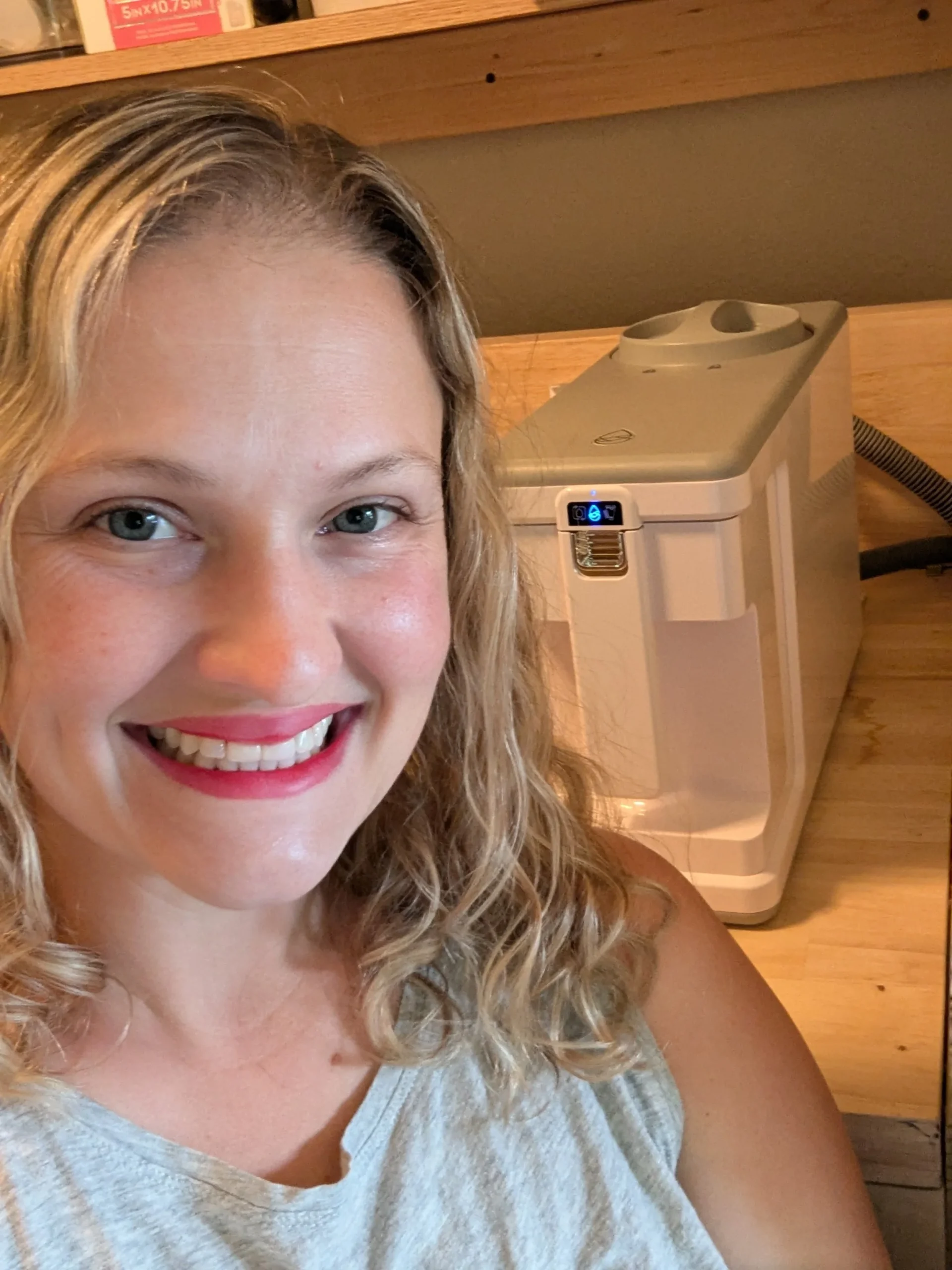
"I've been using CLEANR for a few months and have been really happy with my experience! CLEANR removes microplastics from your laundry before it leaves your home and enters the public water supply. It's an easy way to make a big impact since the #1 source of microplastics comes from laundry. It's easy to set up and easy to maintain. I know I'm making a difference (and it's way easier than composting)! 10/10 would recommend!"
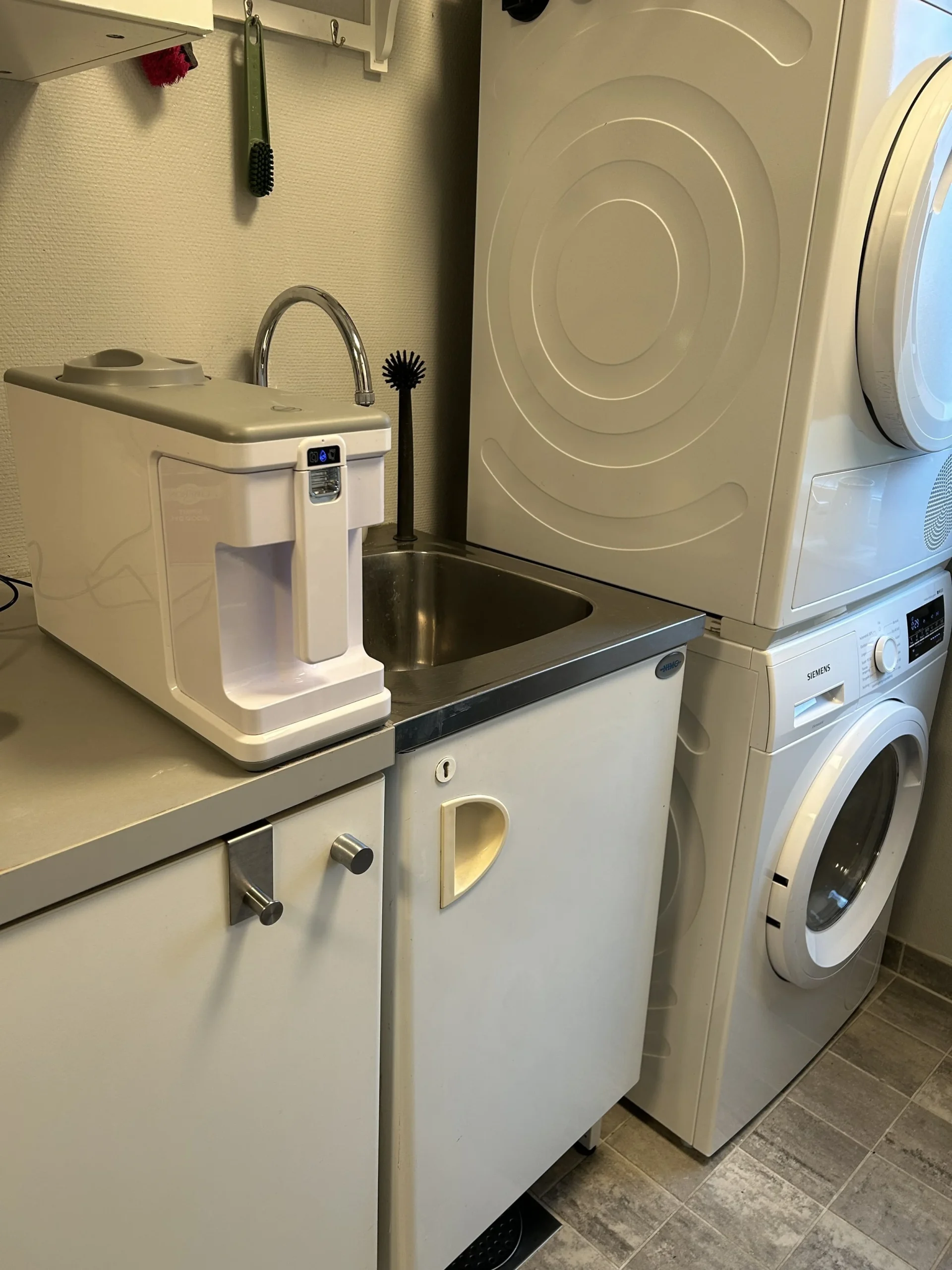
"Very easy installation, no technical skills needed. Quiet operation and very good information when it's time to change the filter. Our family is happy to be able to contribute to a little less plastic in the world."
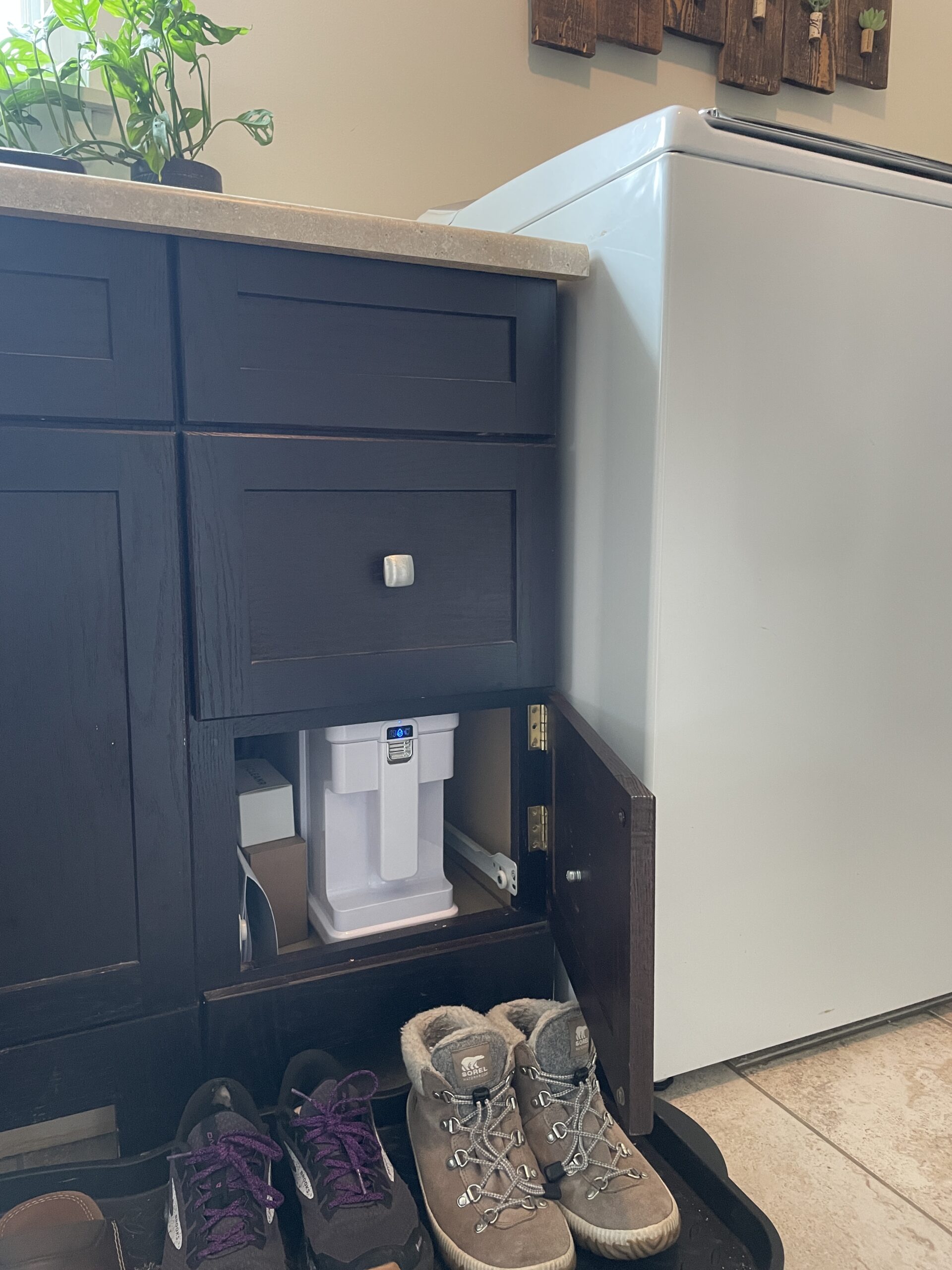
"With the growing concerns around microplastics, CLEANR was a welcome find. While tackling the microplastics crisis can feel overwhelming, CLEANR provides a simple way for the everyday person to make an impact. I was impressed by the sleek design and app. We found the perfect place for it in our home!"

Even Glass Bottles Aren’t Safe: Study Finds Microplastics in Your Favorite Summer Drinks
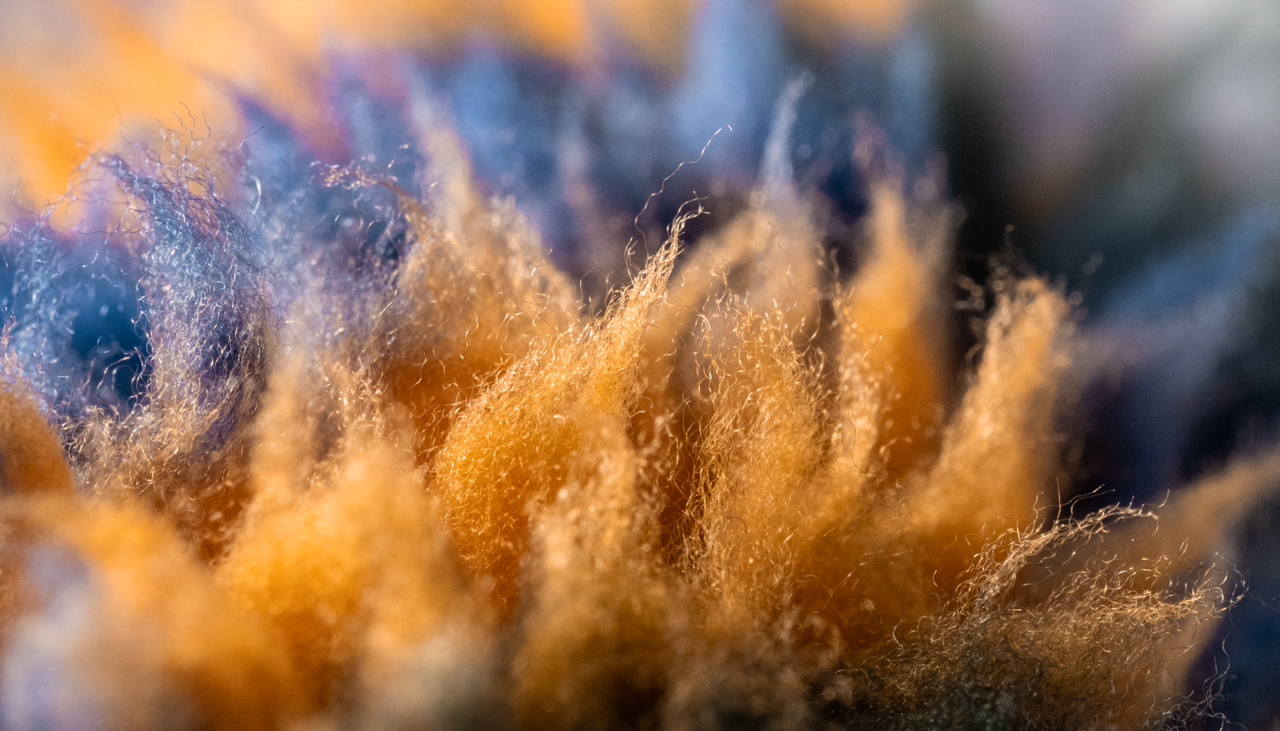
Microplastics are Carriers of Toxic Additives
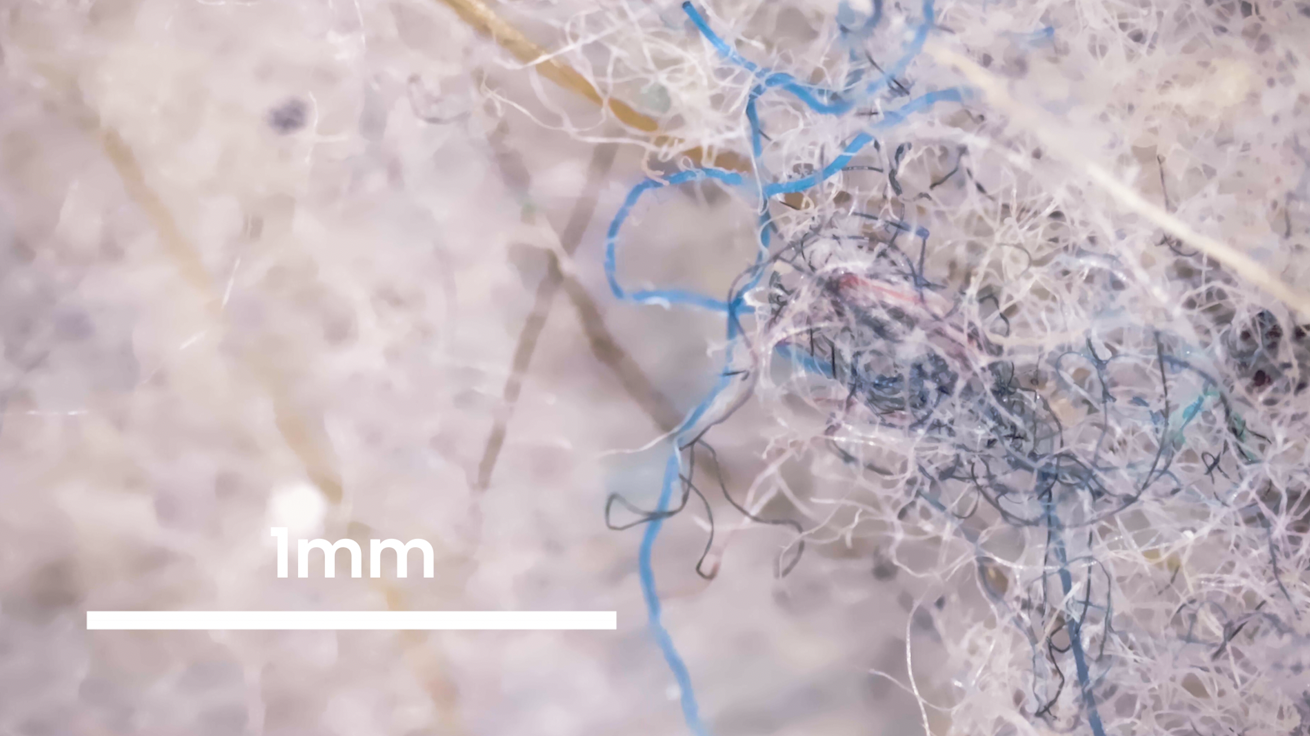
Microplastics in Meat: A Hidden Ingredient in Your Dinner?
Microplastics and Reproductive Health: A Growing Concern
Microplastics in the Brain: How They’re Infiltrating Our Bodies
Microplastics Found in Human Breast Milk for the First Time

Microplastics Revealed in the Placentas of Unborn Babies